

Steve Anaka
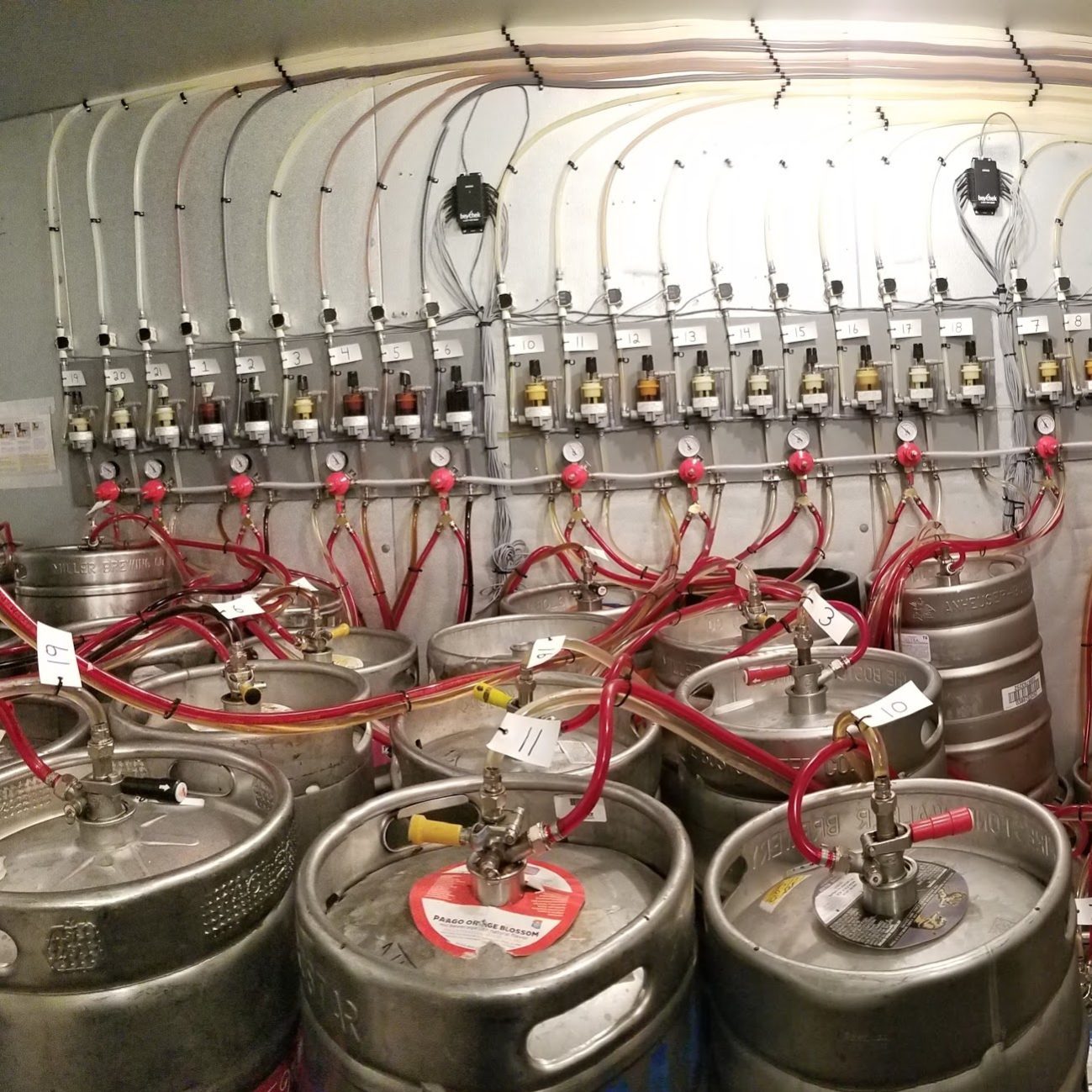
Good data is not just collected—it’s maintained.
A properly installed monitoring system starts out accurate. Whether it stays that way is a different question, and it’s one that depends on maintenance, not just setup. Sensors are mechanical and electronic components living in a wet, cold, high-turnover environment. Left unchecked, even a well-installed system will start to drift — not in a dramatic way, but in the same slow, quiet way draft loss happens in the first place.
The good news: keeping sensor data reliable doesn’t take a technical team or a complicated schedule. It takes a handful of consistent habits.
Why Calibration Drift Happens
Every sensor is measuring something physical — flow, temperature, pressure — and translating it into a number. Over time, small factors accumulate: mineral buildup in a flow sensor, a temperature probe that’s shifted slightly out of position, a pressure sensor exposed to months of routine wear. None of these are failures exactly. They’re just the normal cost of operating in a working bar environment.
The risk isn’t that a sensor breaks outright — a total failure is usually obvious and gets fixed fast. The risk is gradual drift, where a sensor keeps reporting numbers that look plausible but are quietly wrong. That’s the kind of error that can go unnoticed for weeks, feeding inaccurate data into every report built on top of it.
The Core Maintenance Checklist
None of this requires specialized expertise. It requires making these checks a routine part of existing bar upkeep, rather than an afterthought.
- Clean lines on schedule. Standard line cleaning (most operators run this every two weeks) isn’t just a quality practice — it directly protects flow sensor accuracy by preventing buildup that skews readings.
- Inspect sensor placement. Sensors that have been bumped, shifted, or reinstalled after line work should be checked to confirm they’re still positioned correctly.
- Verify temperature readings periodically. A quick manual temperature check against the system’s reported number is a simple way to catch drift before it compounds.
- Check pressure consistency. Regulators should be inspected as part of normal equipment upkeep — a regulator issue often shows up as a data anomaly before it shows up as a customer complaint.
- Watch for small, unexplained variance patterns. A sensor that’s drifting often shows up first as odd, low-grade inconsistency rather than an outright fault. That pattern is worth investigating rather than dismissing.
- Keep firmware and connectivity current. Like any connected device, sensors perform best when software and network connections are kept up to date rather than left untouched for months.
Maintenance Is What Makes the Data Trustworthy
The value of a monitoring system is entirely dependent on trusting the numbers it produces. A variance alert only matters if the sensor behind it is accurate. A temperature warning only matters if the reading is real. Maintenance isn’t a separate task from getting value out of monitoring — it’s the thing that keeps the value intact over time.
This is the same logic that applies to installation: getting the setup right the first time matters, but it isn’t a one-time guarantee. Maintenance is what carries that initial accuracy forward for years instead of months.
Small Habits, Long-Term Payoff
None of these habits are complicated, and none of them require pulling staff off the floor for hours. They’re the equivalent of routine equipment upkeep any well-run bar already does — just with a specific eye toward what keeps the data behind the dashboard honest.
Operators who build these habits into normal routine get the full value of continuous monitoring for the life of the system. Operators who skip them eventually end up back where they started: numbers nobody quite trusts.
Reliable Data Starts With Reliable Habits
Bevchek’s systems are built for accuracy from install day forward — but keeping that accuracy is a partnership. A few consistent habits are all it takes to make sure the data driving your decisions stays as trustworthy on day 500 as it was on day one.
Want a maintenance walkthrough specific to your system? Schedule a demo.