
Steve Anaka
Analytics only matter when operators can act on them before profit disappears.
A dashboard full of historical charts is easy to build. It’s also easy to ignore, because by the time anyone opens it, the shift that mattered is already over. Great draft beer analytics aren’t defined by how much data they contain — they’re defined by whether that data shows up in time to change what happens on a Friday night, not just explain it on Monday morning.
Here’s what that actually looks like when a bar is at full volume and every second at the taps counts.
Pours: The Number That Has to Be Read in Real Time
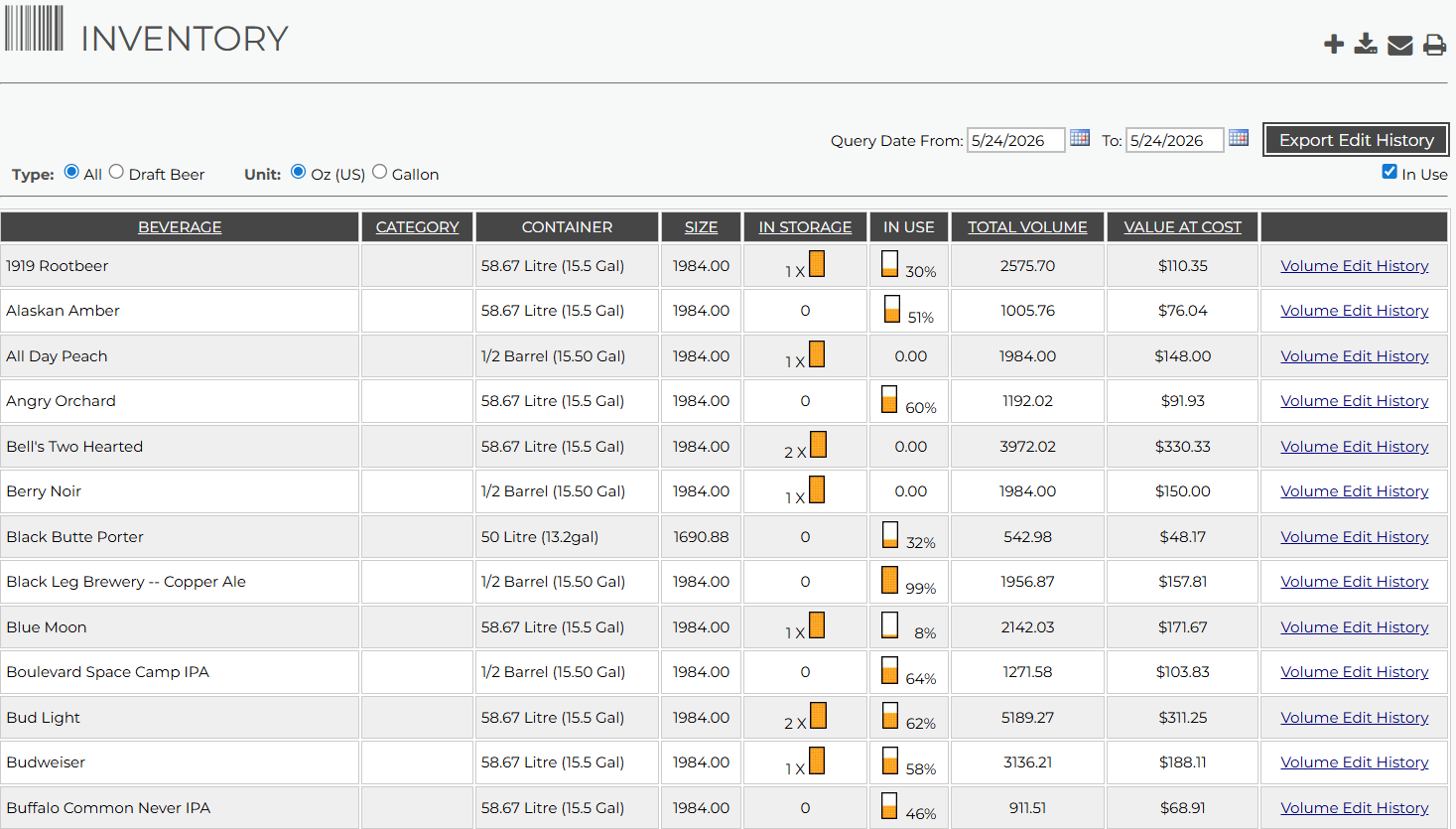
Total pour counts matter, but only if they’re current. A busy bar can move through a keg in hours, not days, and a pour count that updates once a shift is already too slow to catch a problem while it’s happening. Real analytics track pour activity as it occurs — which means a manager glancing at a phone mid-rush can see, right now, whether a line is moving normally or burning through product faster than it should.
Variance: Catching the Gap While It’s Still Small
Variance — the difference between expected and actual usage — is the metric most likely to be dismissed as “we’ll figure it out during inventory.” In a slow bar, that might be fine. In a packed one, a small variance compounds fast, because volume multiplies everything. Good analytics surface variance as it builds during a shift, not after it’s already a keg’s worth of unexplained loss.
Line Activity: Reading the Rhythm of a Busy Night
A line’s activity pattern tells a story a raw sales number can’t. A tap that’s pouring nonstop for three hours straight is a different operational situation than one running at a steady trickle — one might need a backup keg staged and ready, the other might be a candidate to swap for something that sells faster. In a busy bar, knowing which lines are working hardest, in real time, is what lets a manager get ahead of a keg change instead of getting caught by one mid-rush.
Peak Periods: Where Small Problems Get Multiplied
Most draft issues don’t cause real damage during a slow Tuesday afternoon — they cause damage during a Friday night rush, when volume is high and staff have zero spare attention to catch a slow leak or a foam problem by hand. That’s exactly why peak-period visibility matters more than average-day visibility. Analytics that flag an issue at 9:45 PM on the busiest night of the week are protecting far more margin than the same alert on a Tuesday at 2 PM. Great systems weight attention toward peak windows, because that’s where the stakes are highest.
Product-Level Performance: Knowing What’s Actually Working
Beyond the mechanics of pour and variance, a busy bar needs to know which products are performing — which taps sell through consistently, which ones sit longer than they should, and which are inconsistent enough in quality that they’re quietly costing repeat business. That’s a different lens than loss prevention; it’s about using the same real-time data to make smarter decisions about what’s on tap in the first place.
Why “Real-Time” Is the Whole Point
Every metric above works the same way: it’s only valuable if it reaches a manager while there’s still time to do something about it. A busy bar doesn’t get a second chance to fix a Friday night — the rush happens once, and whatever margin is lost during it is gone. Analytics that are accurate but slow are still, functionally, backward-looking. The bar that benefits most from monitoring isn’t the one with the most detailed monthly report. It’s the one where a manager can glance at a phone mid-shift and know exactly what’s happening at every tap, right now.
Analytics Built for the Rush, Not Just the Recap
Bevchek is built around the moments that actually matter — the packed Friday night, the peak rush, the shift where a small problem could turn into a big one. Real-time visibility into pours, variance, line activity, and product performance means operators can act while it counts, not just review what already happened.
Want to see what this looks like on your busiest night? Schedule a demo.